
Event Details
SXUK workshop puts Sundarbans resilience in focus
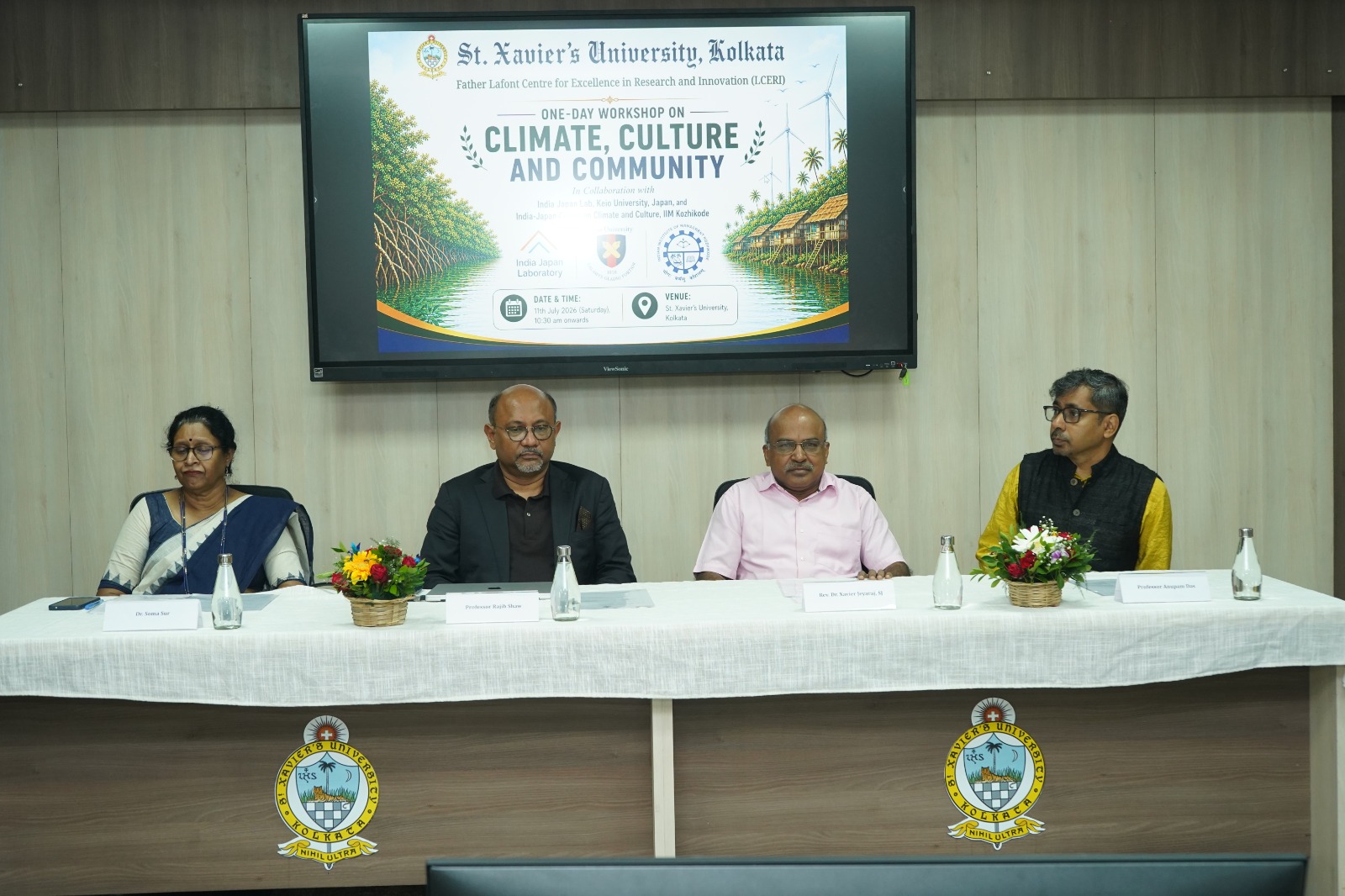
Father Lafont Centre for Excellence in Research and Innovation (LCERI), St. Xavier’s University, Kolkata (SXUK) in collaboration with the India Japan Lab, Keio University, Japan, and the India-Japan Centre on Climate and Culture, IIM Kozhikode, organised a one-day workshop on “Climate, Culture and Community” at the university campus on July 11, 2026.
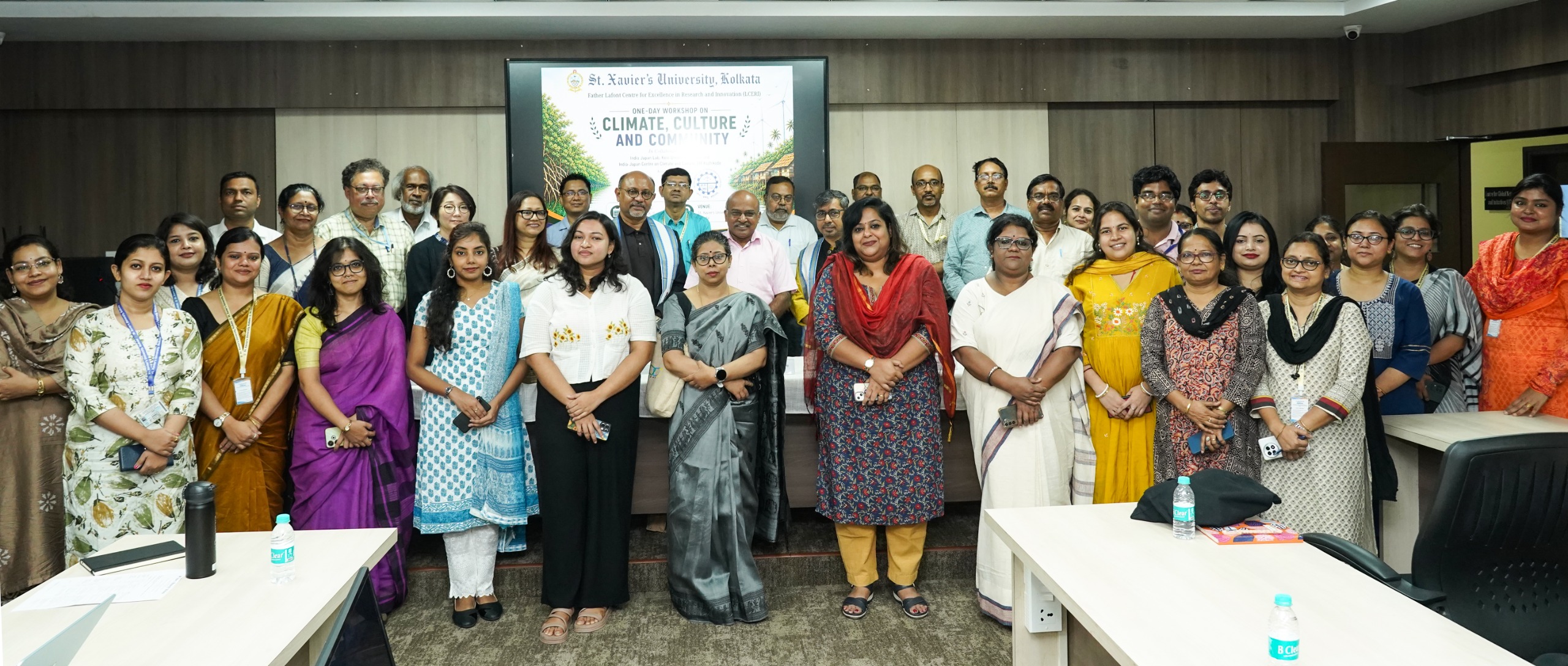
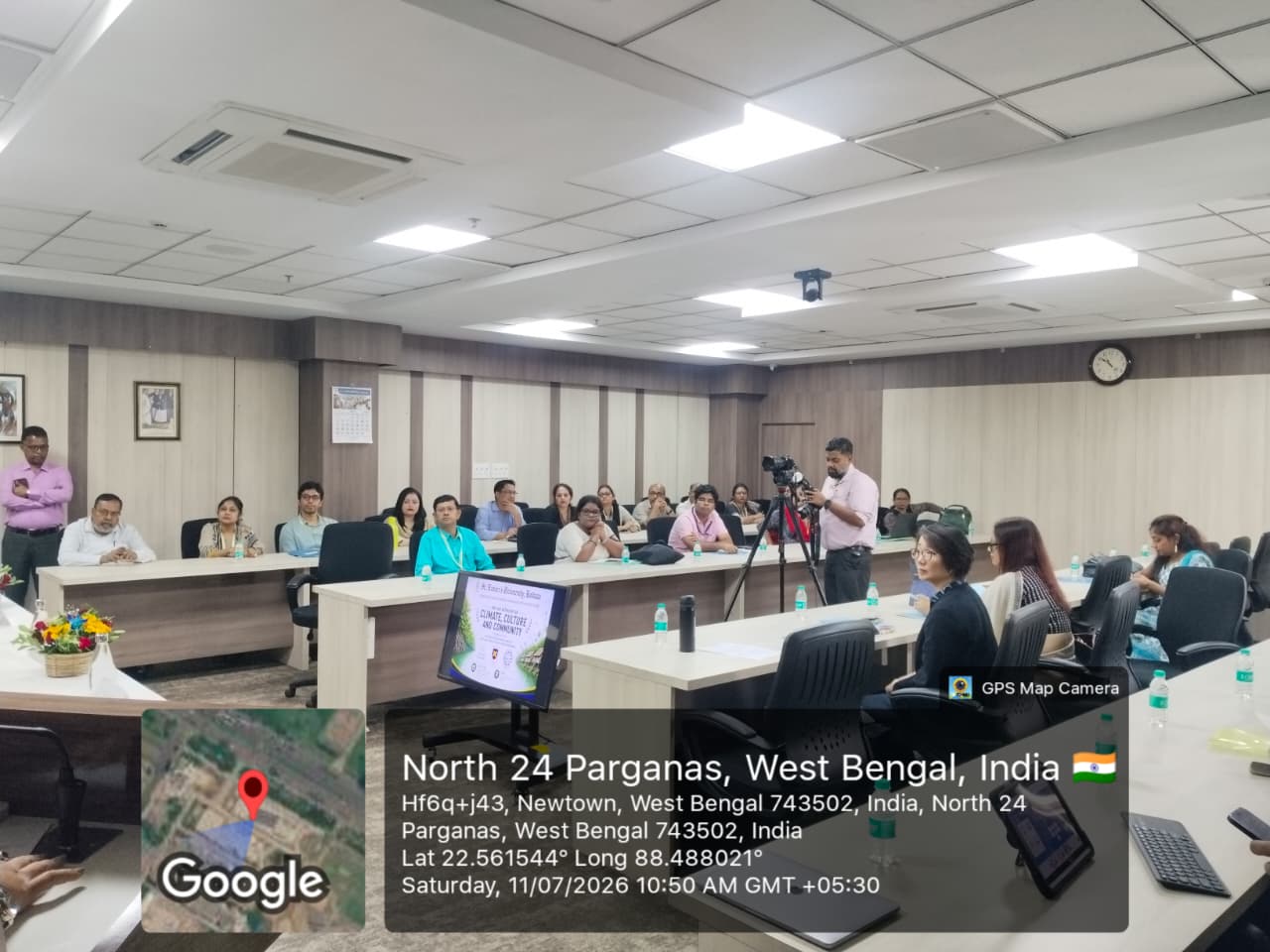
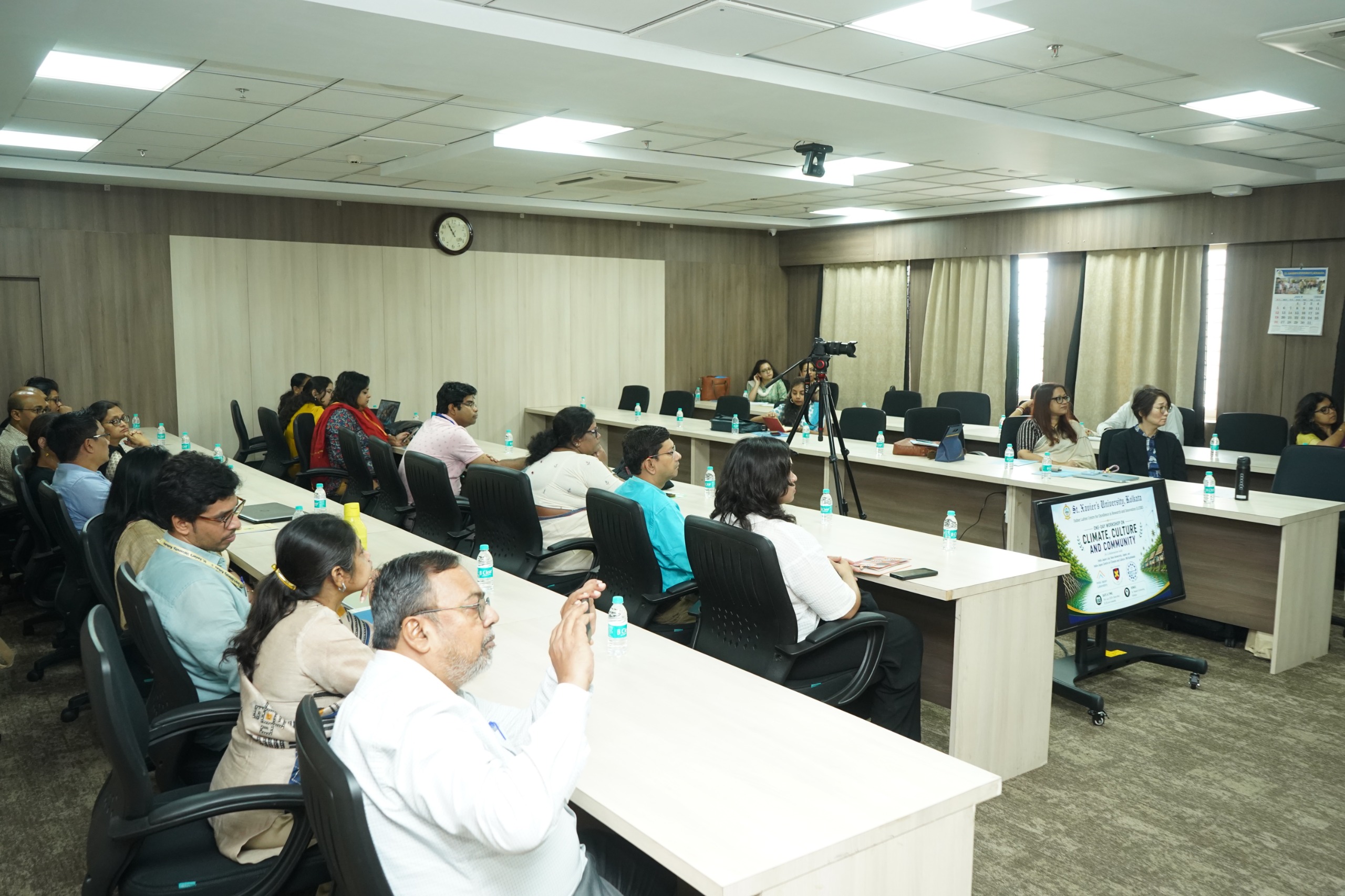
Themed “From Last Mile to First Mile: Embedding Climate, Culture, and Community in the Sundarbans,” the workshop brought together 45 participants, including academicians, climate experts, government representatives, NGO members, faculty and students. The programme focused on climate resilience, disaster risk reduction, community participation and sustainable early warning systems in the Sundarbans.
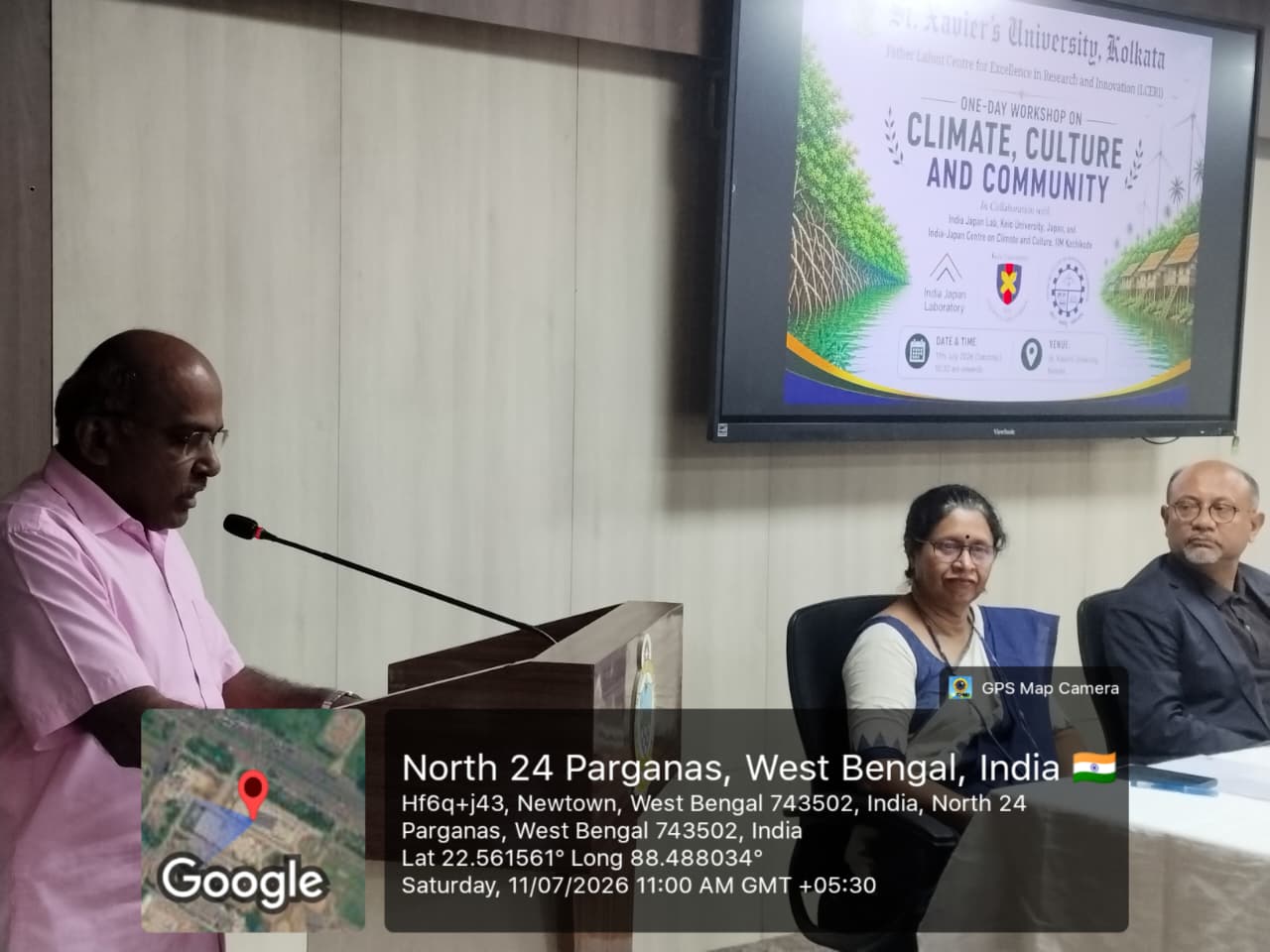
The inaugural session began with a welcome address by Dr. Soma Sur, Hony. Director, LCERI, who highlighted the importance of integrating climate resilience with cultural understanding and community-centred development. Rev. Dr. Xavier Jeyaraj, SJ, Registrar, SXUK emphasised the ecological, cultural and socio-economic significance of the Sundarbans and called for collaborative efforts involving researchers, policymakers and local communities to protect the fragile ecosystem.
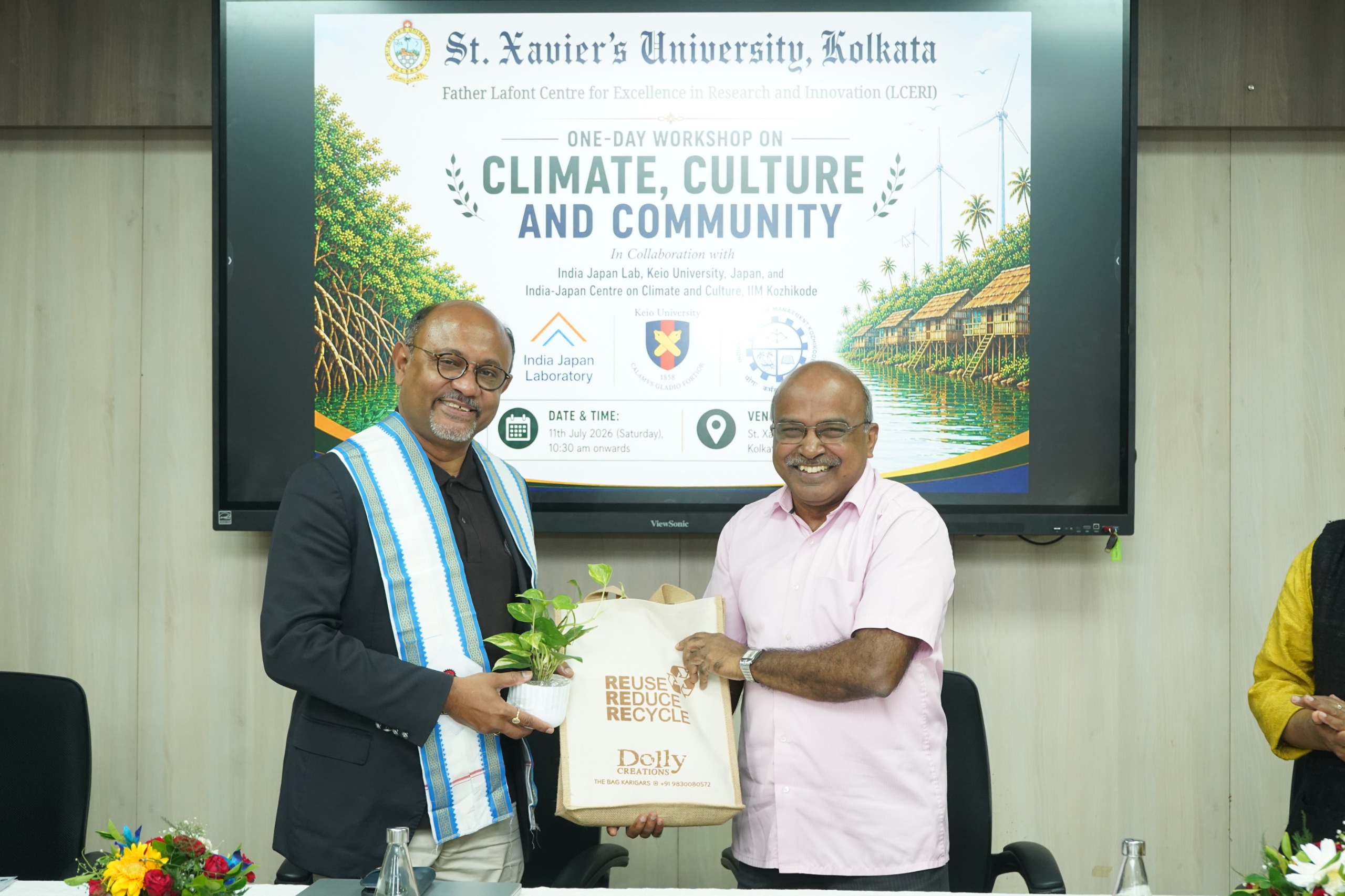
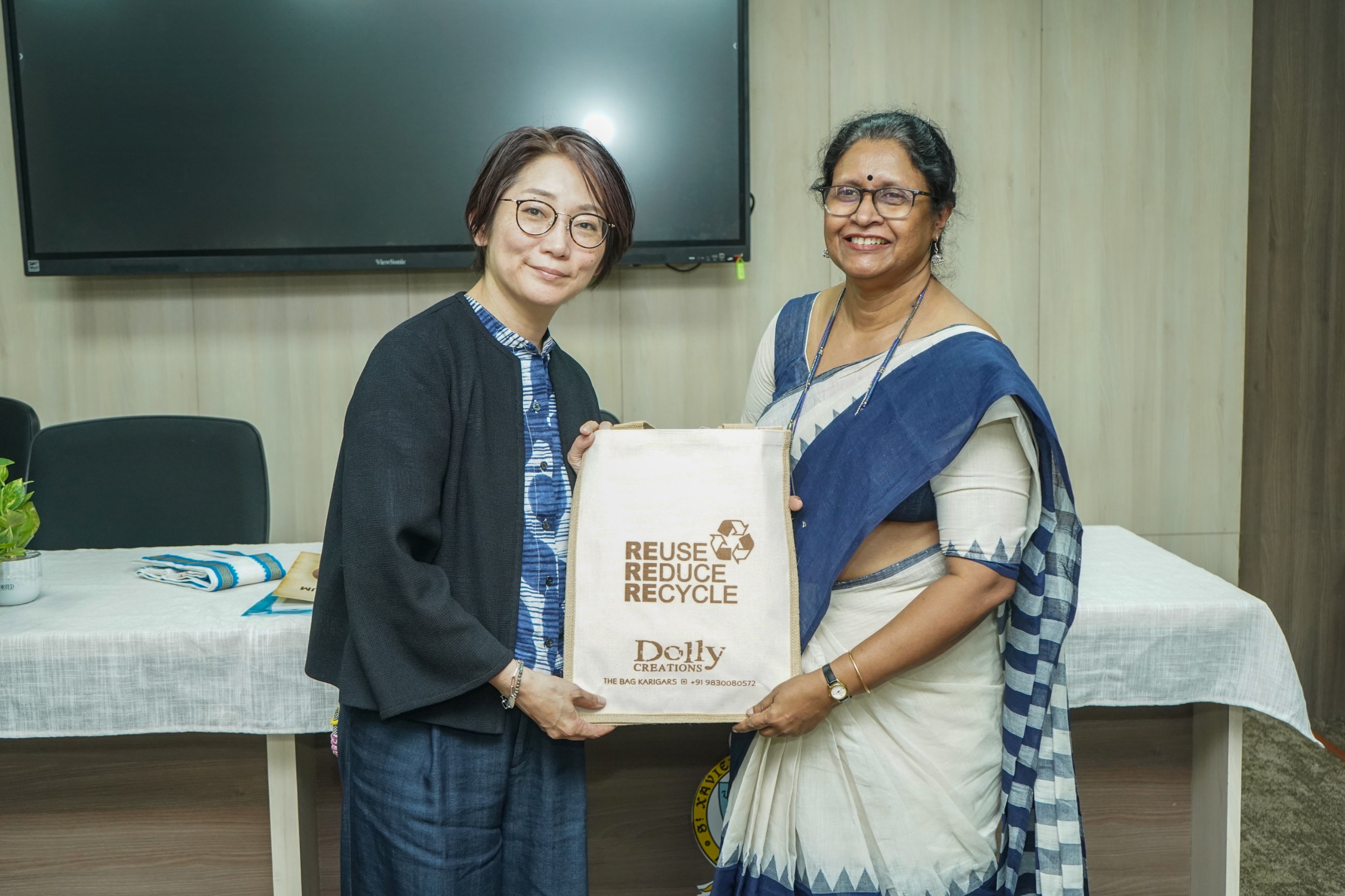
Prof. Rajib Shaw of the India-Japan Laboratory, Keio University, and Prof. Anupam Das of the India-Japan Centre on Climate and Culture, IIM Kozhikode, were felicitated for their contribution and continued collaboration in climate resilience research and capacity building.
Prof. Shaw discussed climate resilience, while Prof. Das shared lessons from Wayanad and the Sundarbans. Dr. Jayanta Basu, environment expert and journalist, addressed hydro-meteorological risks. Other sessions focused on community-based early warning systems, disaster risk communication, gender and disaster, and climate justice and spatial marginalisation.
Dr. Nairwirita Bandyopadhyay, Founder of Meghduutt Foundation; Prof. Aiko Sakurai, Kobe University, Japan; Dr. Mausumi Bhattacharya, Visva-Bharati; and Ms. Mandvi Kulshreshtha, Senior Programme Adviser, Friedrich-Ebert-Stiftung, India Office, shared their expertise during the sessions.
The discussions, moderated by Dr. Snehasis Sur, Senior Journalist and Media Educator, culminated in a round-table discussion on developing a community-embedded early warning framework for the Sundarbans. The valedictory session was addressed by Shri Asim Kumar Bala, Senior Deputy Secretary, Disaster Management and Civil Defence Department, Government of West Bengal.
The workshop received an encouraging response, with participants appreciating its interdisciplinary approach and practical focus.
Dr. Soma Sur
Event Gallery