
Event Details
SXUK hosts international seminar on Indian Knowledge Systems
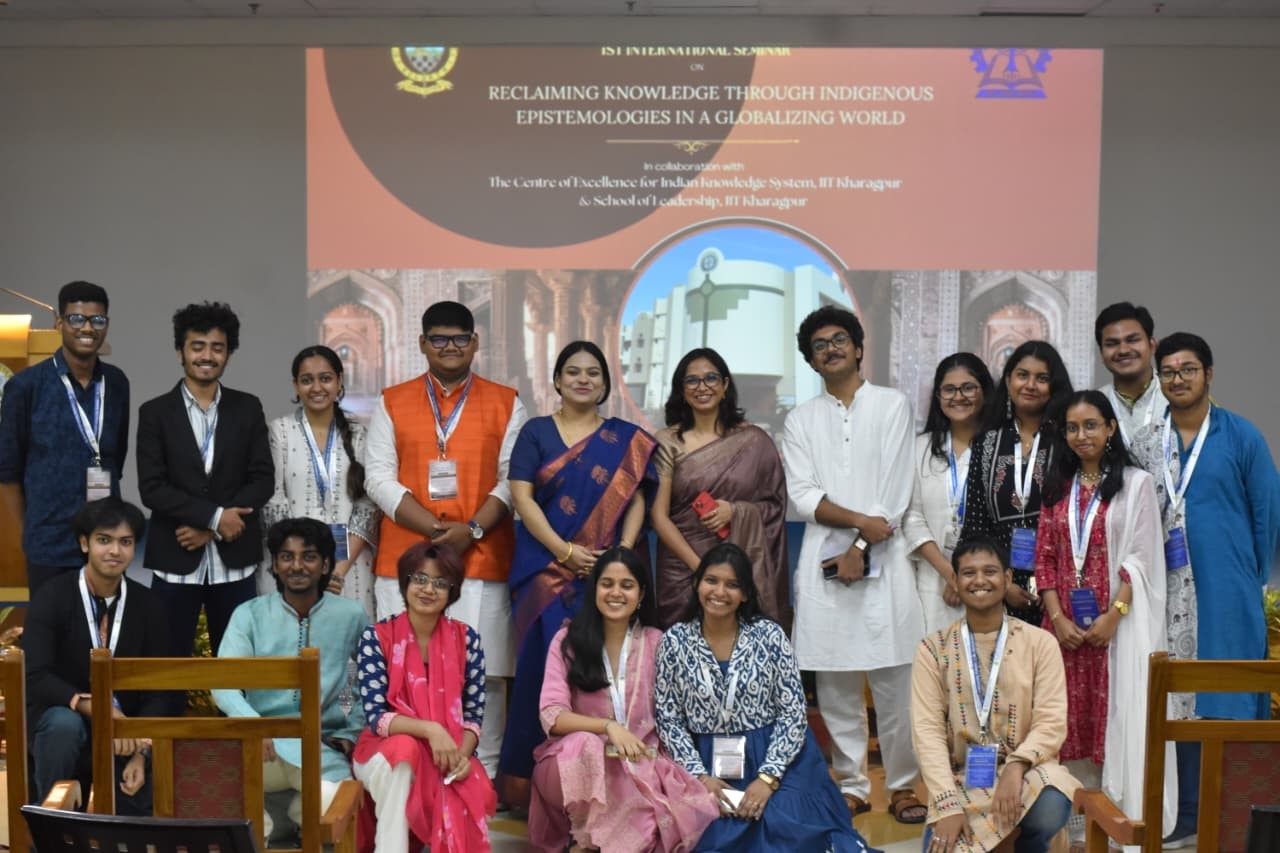
The Indian Knowledge System (IKS) Cell of St. Xavier’s University, Kolkata (SXUK) in collaboration with the Centre of Excellence for Indian Knowledge System and the School of Leadership at IIT Kharagpur, organized its first International Seminar on “Reclaiming Knowledge through Indigenous Epistemologies in a Globalizing World” on April 10 and 11, 2026, in hybrid mode.
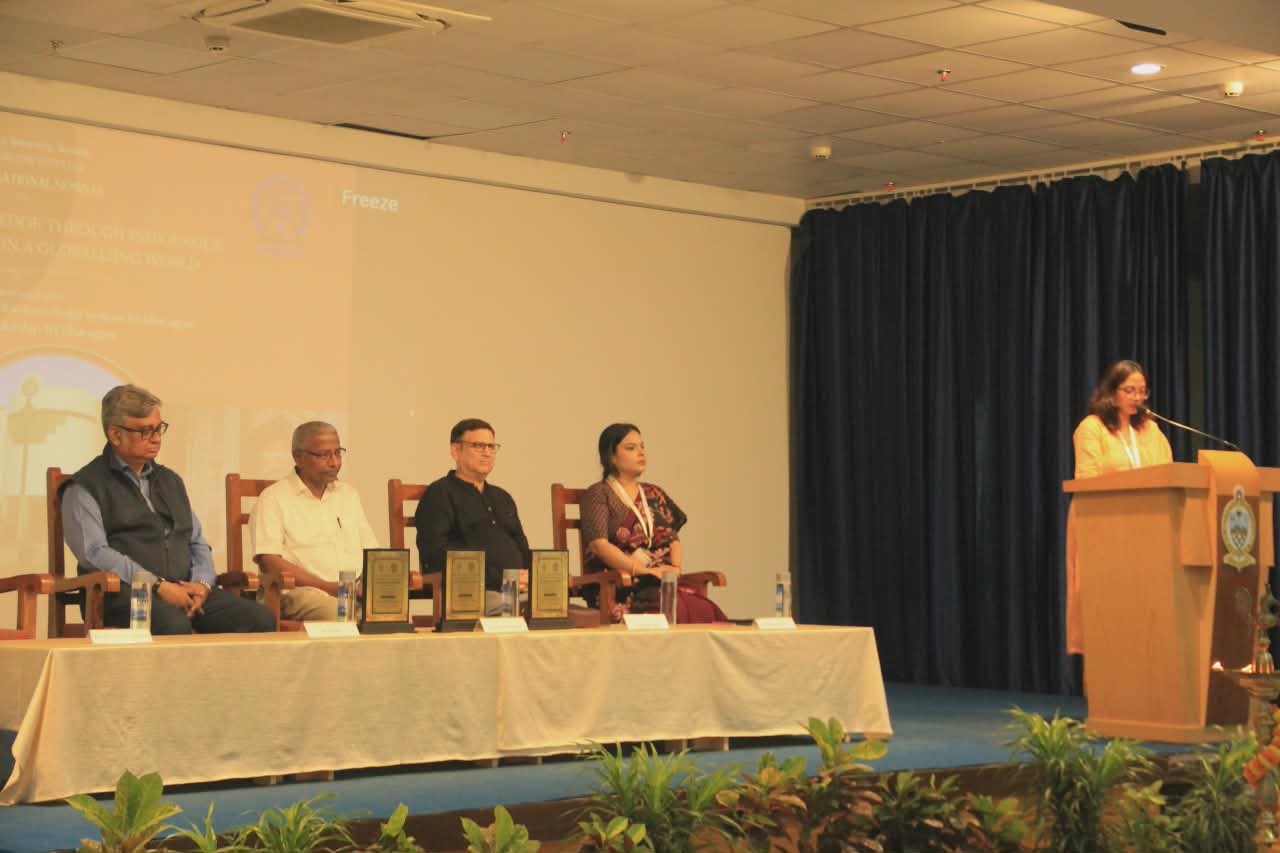
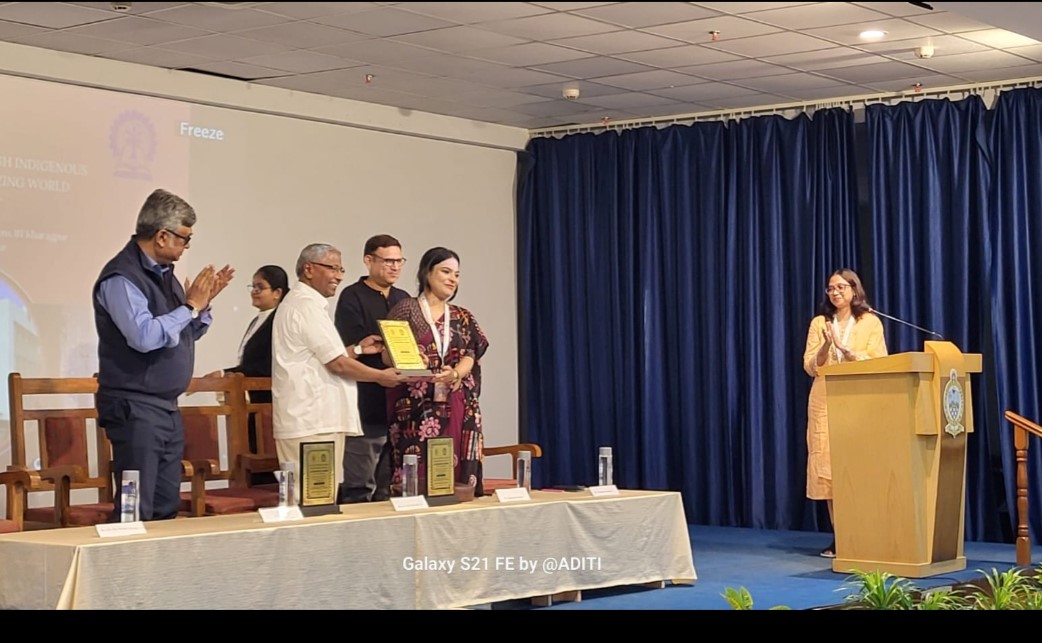
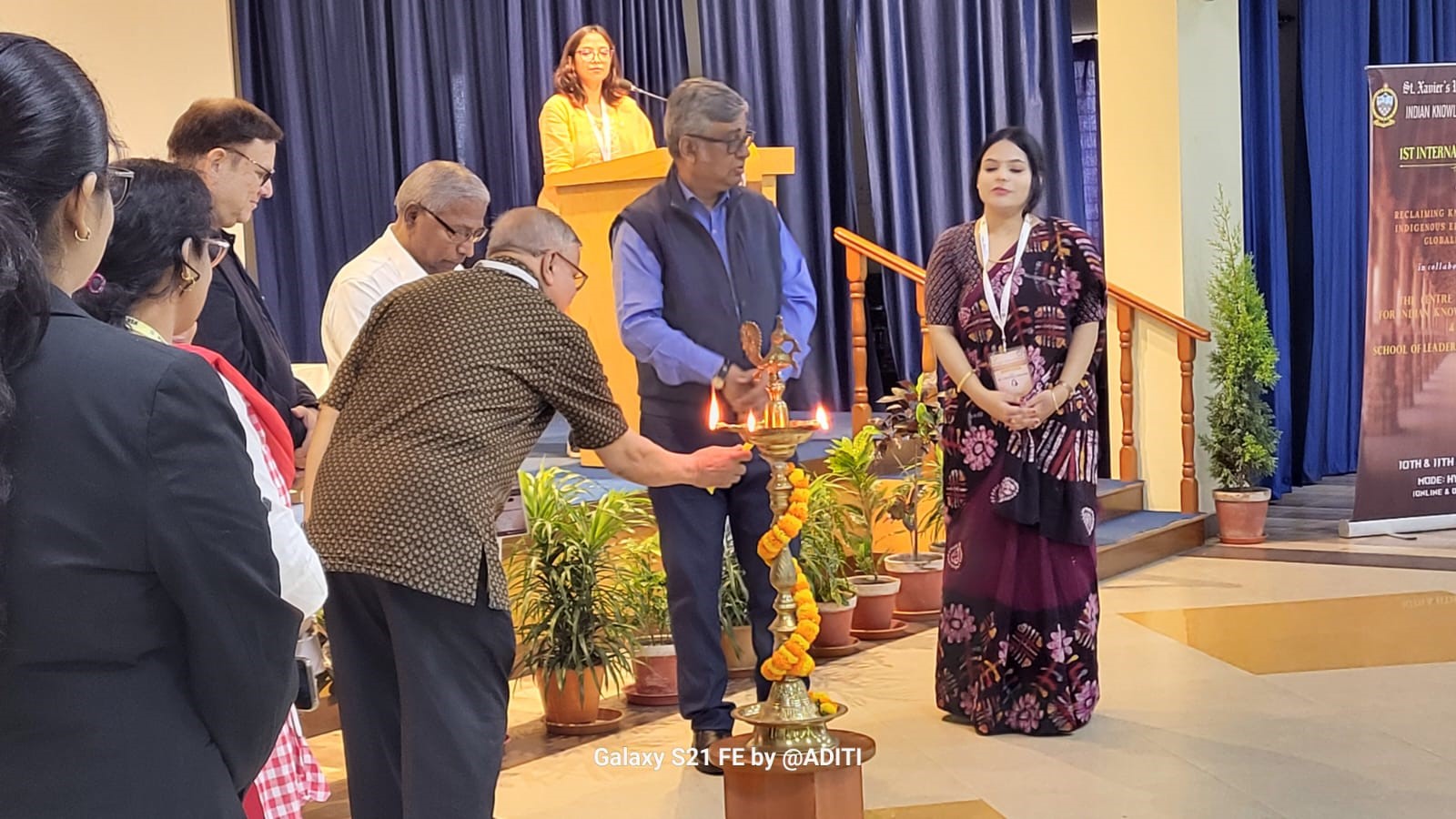
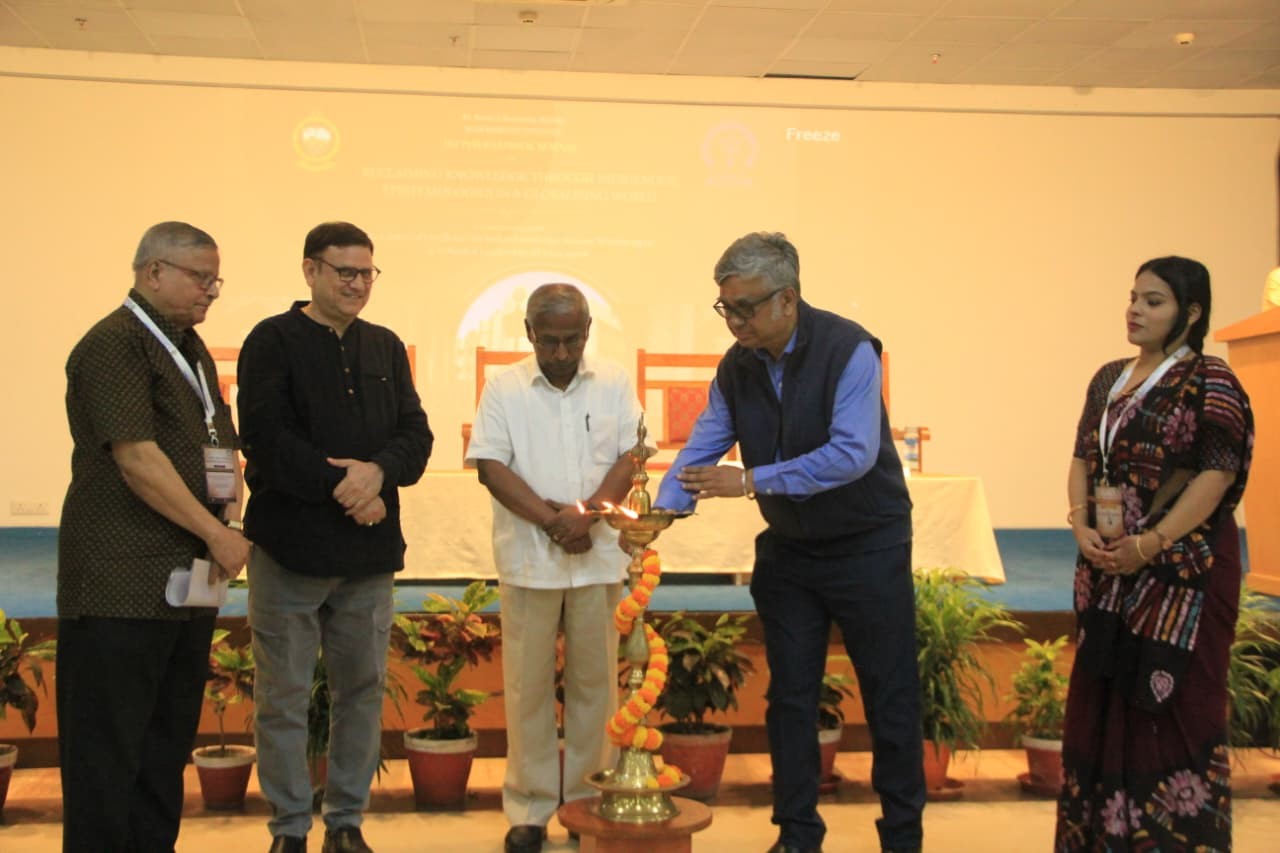
The two-day seminar brought together academicians, researchers, and students from various disciplines to deliberate on the relevance of Indian Knowledge Systems in contemporary global discourse. The inaugural session, held at the university campus on April 10, began with the ceremonial lighting of the lamp and was attended by distinguished dignitaries including Rev. Dr. J. Felix Raj, S.J., Vice-Chancellor of SXUK; Prof. Joy Sen, Chairperson of the School of Leadership at IIT Kharagpur; and Prof. Raj Kumar Kothari, former Vice-Chancellor of The Sanskrit College and University.
In his inaugural address, Father Felix Raj emphasized the importance of integrating indigenous epistemologies with modern education to promote holistic learning. Prof. Sen highlighted the role of academic institutions in preserving traditional wisdom, while Prof. Kothari discussed the significance of Indian epistemological traditions in governance and global intellectual thought.
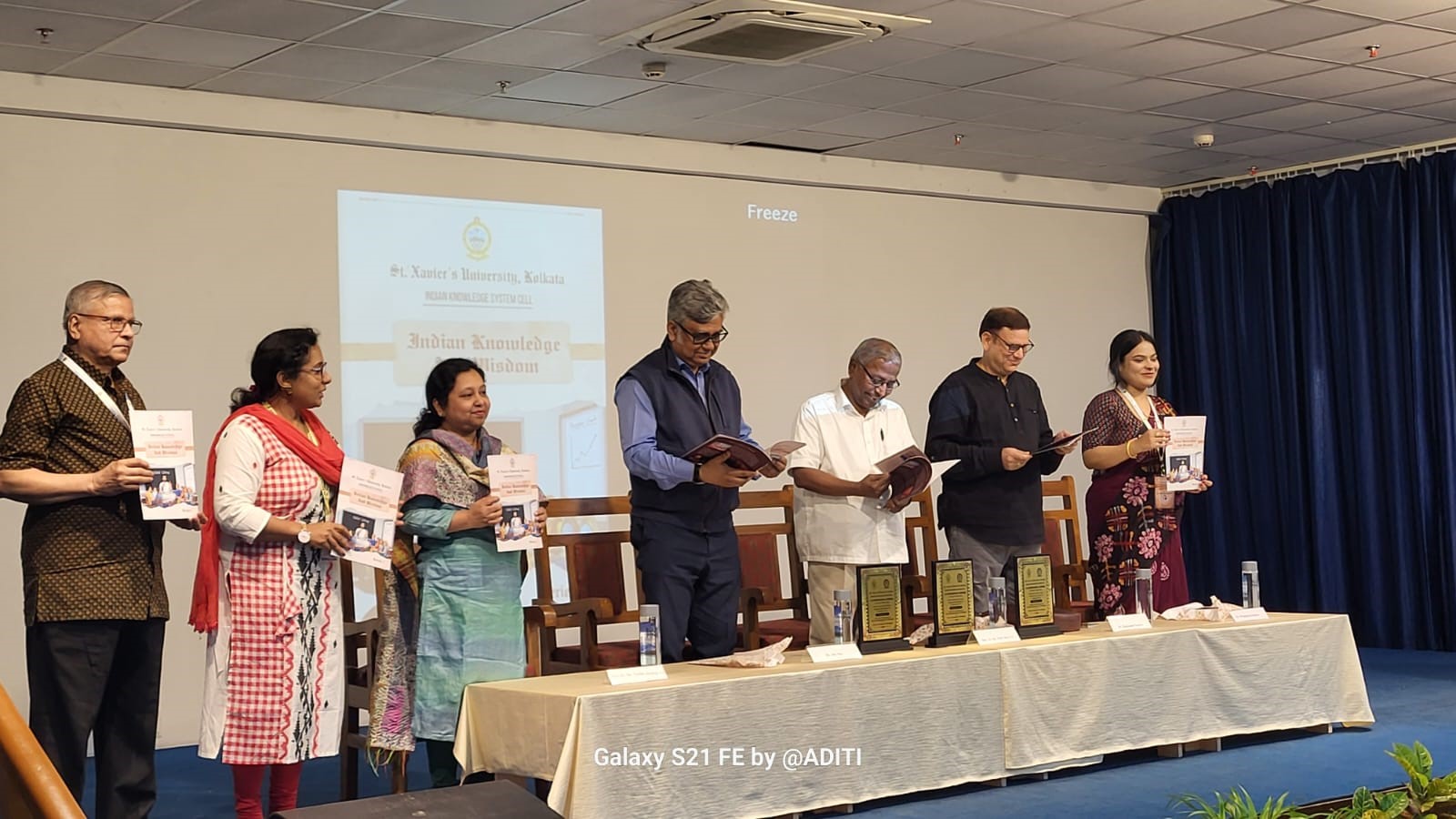
A major highlight of the session was the launch of the official magazine, “Indian Knowledge and Wisdom – Series 1”. The second day of the seminar was conducted online and featured academic paper presentations by scholars and researchers on themes related to indigenous knowledge systems, socio-political frameworks, and traditional scientific thought.
The seminar concluded with a keynote address by Prof. Mohammad Faheem of Thammasat University, who spoke on the global relevance of Indian Knowledge Systems. The event successfully fostered interdisciplinary dialogue and reaffirmed the importance of preserving indigenous intellectual traditions in modern academia.
Dr. Priyanka Bhaduri
Event Gallery